Hardening Off: A 90-Day Protocol for Life After the Program Ends

Photo by Photo by Alek Newton on Unsplash on Unsplash
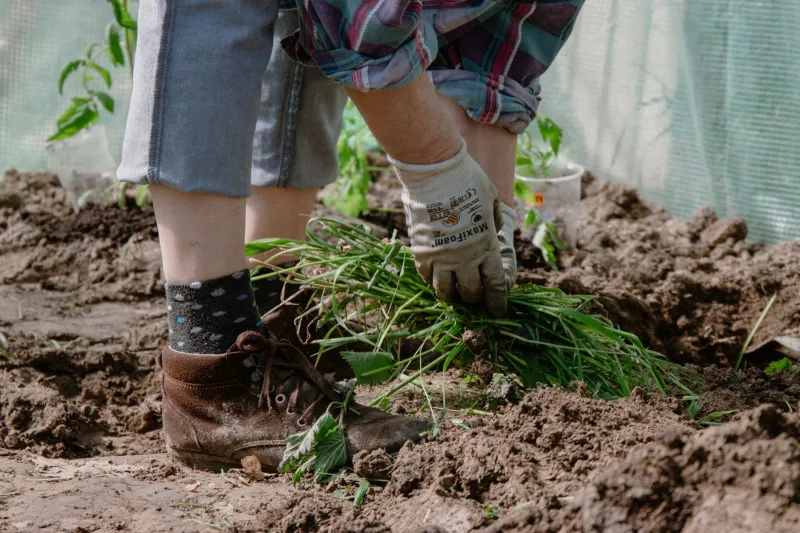
Anyone who's ever started tomatoes on a windowsill knows the mistake. You baby them for weeks — perfect light, perfect water, zero wind — and then one sunny May Saturday you plant them straight into the garden. By Monday they're scorched, bent, and frankly embarrassing.
Nurseries call the fix hardening off: gradually exposing seedlings to real conditions over a week or two before transplanting. A few hours of outdoor sun, then a bit more. A little breeze. A cooler night. The plant doesn't just survive the transition — it comes out sturdier than anything raised entirely indoors.
Startup incubation works the same way, and almost nobody plans for it.
The Cliff Nobody Puts on the Roadmap
Here's what actually happens the week after a program ends. For twelve or sixteen weeks, you had a rhythm: weekly mentor check-ins, demo day deadlines, a cohort of peers who noticed when you went quiet, and a physical (or Zoom-shaped) room where accountability just... existed.
Then it's Tuesday, and there's nothing on your calendar. No one's expecting an update. Your cohort's Slack has devolved into someone's fantasy football league. The mentor who replied within hours now has a reasonable two-week lag.
None of this is betrayal. It's just the program doing what programs do. But founders routinely describe the month after graduation as the foggiest stretch of the whole journey — not because the business got harder, but because the structure evaporated overnight.
The danger isn't emotional, either. It's operational. Without demo day bearing down on you, sprint cadences slip. Without a weekly mentor session, small confusions compound into big wrong turns. Without peers watching, the embarrassing metrics stay unexamined a little longer than they should.
Transplant Shock Is Normal. Dying From It Isn't.
Let's be clear about the goal: you're not supposed to replicate the incubator forever. A seedling that stays in the tray forever never produces fruit. The point of graduation is that your company now needs to draw nutrients from the open market — real customers, real revenue, real consequences.
The point is also that a hard cut is unnecessary. Nature gives you a transition window. Take it.
The 90-Day Transplant Protocol
Borrowing straight from the nursery playbook, here's a quarter-long protocol to run the moment your program ends. Put it in your calendar before demo day, while you still have momentum and people to hold you to it.
Days 1–14: Partial sun. Don't go fully solo yet. Book two mentor sessions in the first fortnight — explicitly framed as transition check-ins, not ongoing commitments. Most mentors will happily do this; they'd rather see you off properly than watch you drift. Same week, schedule a standing biweekly call with one cohort peer. Not a mastermind, not a committee — just two founders who trade numbers honestly for thirty minutes.
Days 15–45: Introduce wind. This is where you deliberately expose yourself to conditions the incubator cushioned. Pitch someone who isn't obligated to be nice. Send the cold email you'd been saving for the program's network. Raise your prices. Whatever made you slightly nauseous inside the bubble — do it now, while you can still debrief it with your transition crew.
Days 30, 60, 90: Self-imposed demo days. The single most powerful thing the incubator gave you was a date circled in red. Keep it. Every thirty days, write a one-page update — metrics, misses, next sprint — and send it to three people: a mentor, a peer, and one investor or advisor who's expressed interest. You don't need their approval. You need the deadline their inbox represents.
Days 45–90: Full exposure, with a watering schedule. By now the external cadence should be yours: a weekly metrics review you run yourself, a monthly advisory coffee, a quarterly goal you'd be embarrassed to miss. If you're still leaning on the incubator's calendar in month three, that's the real warning sign — not that you're weak, but that you haven't built your own root system.
What Sturdy Actually Looks Like
A hardened-off seedling isn't the prettiest one. It's a bit stockier, a bit less lush, with thicker stems than its greenhouse-raised cousins. Your post-incubation company should look similar: fewer vanity metrics, more calluses. Maybe the growth chart is less dramatic than it was during the program's demo-day sprint — but the growth that survives the first frost is the only kind that counts.
The incubator was never the farm. It was the tray on the windowsill — warm, protected, and temporary by design. The founders who thrive after graduation aren't the ones who miss it least. They're the ones who planned the transplant before they ever left the tray.
Ninety days. Partial sun, then wind, then open sky. Your calluses are coming.